TRANS-RIO BRAVO/RIO GRANDE INTERNATIONAL RESEARCH COLLABORATION SYMPOSIUM and PANEL DISCUSSION
2015 Texas Archeological Society 86th Annual Meeting Omni Westside Hotel, Houston Texas, October 24, 2015 Organized and sponsored by the Journal of Texas Archeology and History.org
Download Full Press Release Here
Greetings! The Journal of Texas Archeology and History.org is pleased to organize and sponsor the “Trans-Rio Bravo/Rio Grande International Research Collaboration Symposium and Panel Discussion”. The symposium is designed to explore the dearth of archeological research collaboration between two seemingly isolated groups of researchers who are geographically separated only by a thin channel of water that happens to be an international border. There is precious little direct involvement between researchers in Mexico and Texas. This is astounding considering we share a border that is 1,254 miles long!
We hope this event will promote goodwill between the two isolated groups of researchers: Texans and Mexicans. Four guest researchers have been invited to travel from their homes and work in Mexico to participate in this symposium and to engage with us during the TAS Annual Meeting.
Arguably, there is a critical lack of cooperation and collaboration between researchers in Texas and Mexico who are studying archeology and history of the region. Our objectives are threefold: to create a starting point for discussion of the subject; to act as a spring-board toward greater and more meaningful research collaboration in the future; and to open new channels of communication between the two groups.
Through this symposium and panel discussion, we propose to: Facilitate a dialogue regarding issues challenging current and future archeological research collaboration with perspectives presented by participants from both sides of the international border; and to throw a spotlight on recent archeological research along the international boundary region shared by Texas and Mexico where there has either been benefit from successful collaboration or where a project could be enhanced by “trans-Rio Bravo collaboration”. Our goals are to: promote an open dialogue between to two isolated groups of researchers; to hold a discussion of the limiting factors in open forum; to explore ways to address or overcome the hurdles faced by modern researchers of archeology in the region; and to promote future collaborative efforts.
The Panel Discussion will follow the final paper and will cover topics relevant to collaboration between researchers across the international boundary line between Texas and Mexico. These topics
may include, but are not limited to: language barrier, logistics, safety, publication, funding, access, travel, information sharing, communications, politics, etc.
Discussion will be co-directed by Dr. Todd Ahlman, Director of CAS and Sr. Gustavo Ramirez Castilla, Tamaulipas State Archeologist for INAH. Discussants will include: Tom Hester, Moises Valadez, Victoria L. Munoz, Breen Murray, Mary Jo Galindo and Martin Salinas. Dr. Jean Clottes will be included if he is available for the discussion. A generous grant from the Summerlee Foundation has made this symposium possible.
SCHEDULE:
SATURDAY, October 24, 2015
1:30 PM – 3:55 PM PAPER PRESENTATIONS
1:30 PM – 1:50 PM THOMAS R. HESTER – “50 Years Along the Rio Grande: Reflections on a Variety of Archaeological Research Projects on the Border.”
1:55 PM – 2:15 PM EMILIANO GALLAGA MURRIETA – “Escuela de Antropología e Historia del Norte de México (EAHNM): a Powerful Ally”
2:20 PM – 2:40 PM VICTORIA L. MUNOZ – “¿Dónde está la frontera?”
2:45 PM – 3:05 PM WILLIAM BREEN MURRAY – “Connections: Rock Art Across the River of Two Names”
3:10 PM – 3:30 PM MARY JO GALINDO – “Con un pie en cada lado: Nuevo Santander Ranching Communities”
3:35 PM – 3:55 PM MARTIN SALINAS RIVERA – “Archival Resources for Ethnohistorical Studies of northeastern Mexico and Texas”
4:00 PM – 5:00 PM PANEL DISCUSSION
An outstanding panel of researchers working along both sides of the Rio Bravo/Rio Grande will assemble to explore the challenges and prospects of archeological research along our 1,254 mile international border.
CO-MODERATORS: Dr. Todd M. Ahlman and Sr. Gustavo Ramirez Castilla
PANELISTS: Dr. Thomas R. Hester
Dr. Moises Valadez Moreno
Victoria L. Munoz
Dr. William Breen Murray
Dr. Mary Jo Galindo
Dr. Martin Salinas Rivera
SPECIAL PANELIST: Dr. Jean Clottes
5:00 PM – 6:00 PM PRESIDENT’S RECEPTION
After the panel discussion, the panelists will join the “President’s Reception” in the hotel lobby where our guest discussants and co-moderator from Mexico will be honored. They will be available to take your questions and continue the discussion.


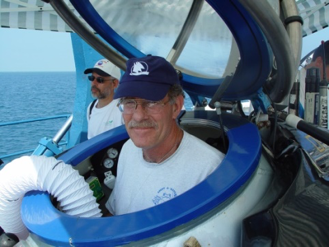


 Museum of Fine Arts, Houston, Texas, as well as private collections in the US and Canada.

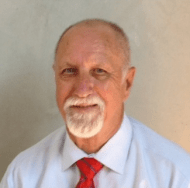 Harry J. Shafer, PhD., is the new Curator of Archaeology for the Witte Museum. He received a PhD in anthropology from the University of Texas at Austin and has been active in archaeological research for the past 52 years. He is professor emeritus at Texas A&M University and his main research interests are Texas prehistory, the American Southwest (Mimbres and Jornada Mogollon), and Lowland Maya lithic technology. His is a Texas Archeological Society Fellow and recipient of the society’s Lifetime Achievement Award. Shafer has written two books, Ancient Texans: Rock Art and Lifeways of the Lower Pecos and Mimbres Archaeology at the NAN Ranch Ruin. He is the editor of Painters in Prehistory, Archaeology and Art of the Lower Pecos Canyonlands, and is a co-author (with Thomas Hester and Kenneth Feder) of Field Methods in Archaeology. He has authored or co-authored more than 300 articles in scientific journals book chapters, and monographs.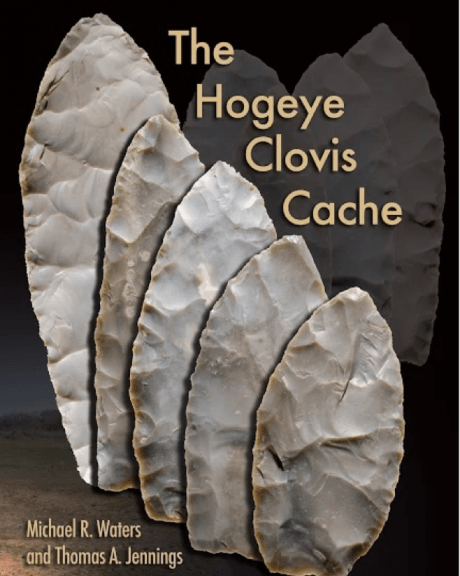

 Dr. Michael R. Waters is the Director of the Center for the Study of the First Americans and Executive Director of the North Star Archaeological Research Program. He is known for his expertise in First American studies and geoarchaeology. Waters has worked on many archaeological field projects in the United States, Mexico, Russia, Jamaica, and Yemen. His current research projects include the Debra L. Friedkin Site, Texas; Coats-Hines Mastodon site, Tennessee; Page-Ladson site, Florida; and the Hueyatlaco site, Mexico. He has authored or co-authored numerous journal articles and book chapters and is the author of Principles of Geoarchaeology: A North American Perspective. Waters received the 2003 Kirk Bryan Award and the 2004 Rip Rapp Archaeological Geology Award given by the Geological Society of America. He was elected a Fellow of the Geological Society of America in 2004.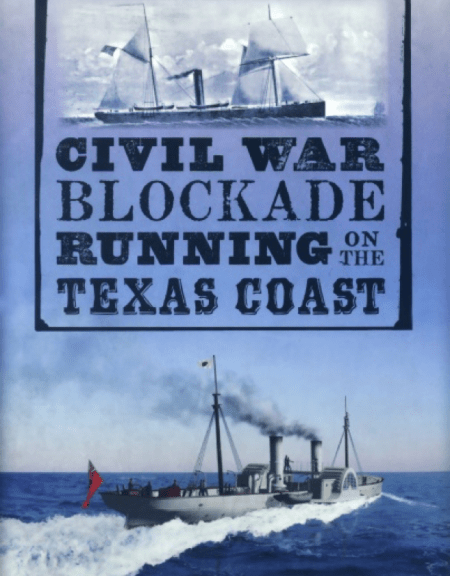


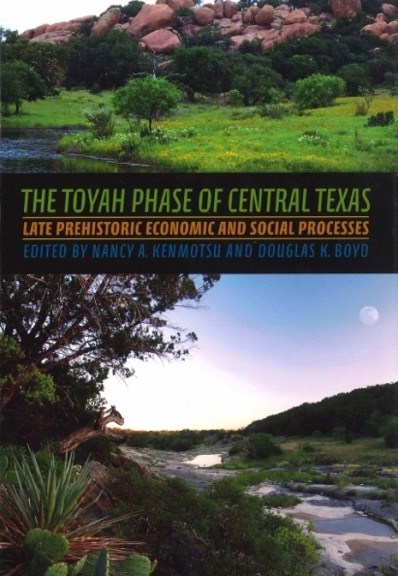


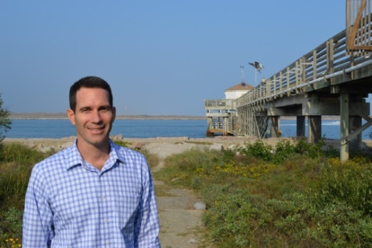
 Douglas (Doug) K. Boyd is a Vice
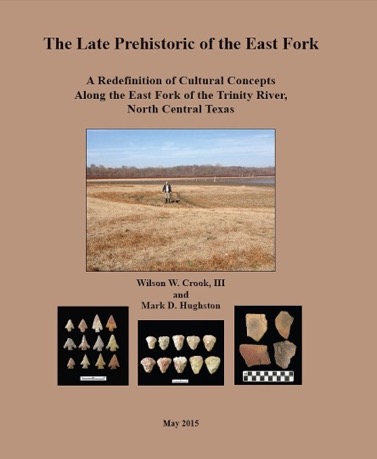
 Wilson W. “Dub” Crook, III recently retired after a 35 year distinguished career as a Senior Executive with the Exxon Mobil Corporation. Dub has traveled extensively throughout the world, starting his archeological adventures as a child with his father, Wilson W. “Bill” Crook, Jr. who was past President and Fellow of the TAS. A native of Dallas, Dub attended Southern Methodist University where he majored in Geology (Mineralogy). He is the author of over 150 papers in such varied fields as geology, mineralogy, archeology, natural science and the Soviet manned space program. Dub is a Life Member of the Dallas Archeological Society, a Fellow of the Houston Archeological Society, a long-time member of the TAS, the Center for the Study of First Americans, a Life Member of the Gault School of Archeological Research, a Research Fellow at the Texas Archeological Research Laboratory in Austin, and a Fellow of the Leakey Foundation.
 Mark D. Hughston is currently a senior partner and part owner of Brazos Gas, a successful independent oil and gas exploration company in Dallas. A native of North Dallas, Mark attended Southern Methodist University where he majored in Geology and Anthropology. After turning to Petroleum geology in graduate school, Mark has continued his dream of establishing both a successful private business as well as maintaining his research interests in archeology and vertebrate paleontology. He is the author of a number of scientific papers, many with his colleague Dub Crook. Mark is a member of the Dallas, Houston, and Texas Archeological Societies.
 JTAH.org - Current Articles